
From Pilots to Integrated Systems: Our Impressions from Hannover Messe April 2026
Hannover Messe 2026 was definitely worth the trip.
Once again, the event brought together companies, technology providers, industrial leaders, and innovators from around the world. But what stood out most this year was not one individual technology, product, or spectacular demonstration. It was the increasingly visible convergence of technologies across the industrial landscape.
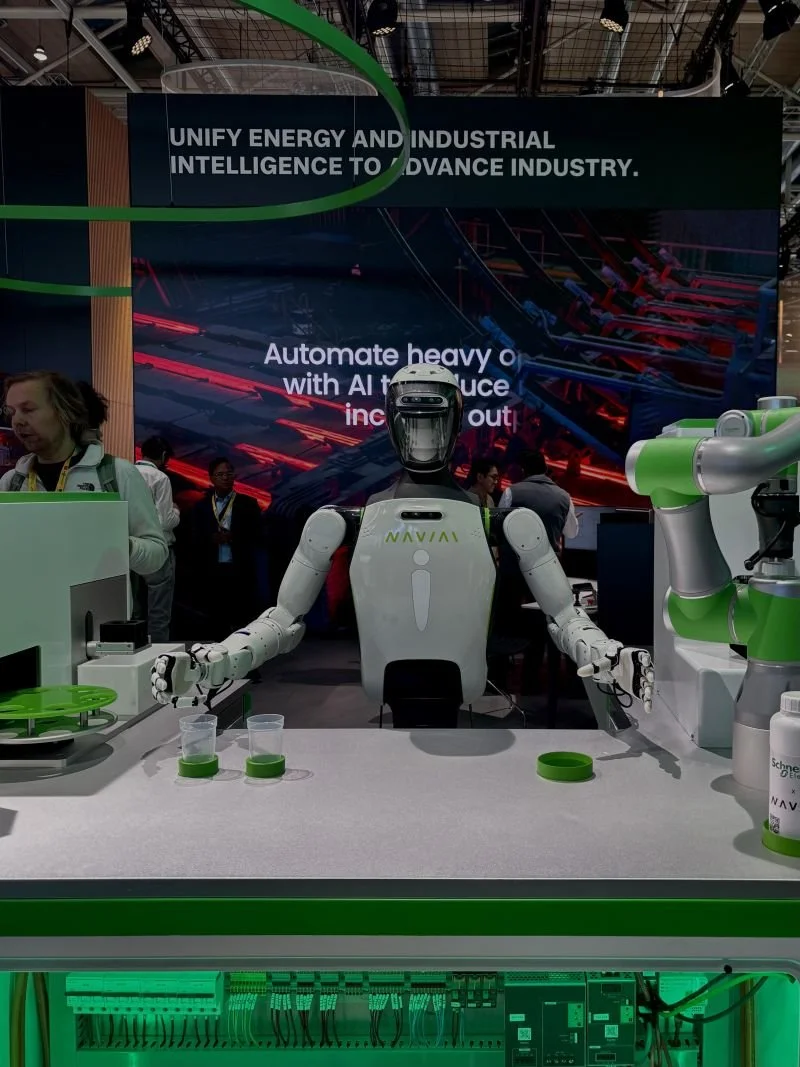
AI, robotics, automation, data infrastructure, and industrial applications are no longer developing in separate worlds. At Hannover Messe, it became clear how these technologies are beginning to connect in much more tangible and practical ways.
Robots are becoming more intelligent and adaptive. AI is moving closer to machines, production lines, and operational decision-making. Data platforms are creating the foundation for more connected processes. At the same time, automation is expanding beyond individual tasks towards increasingly integrated industrial systems.
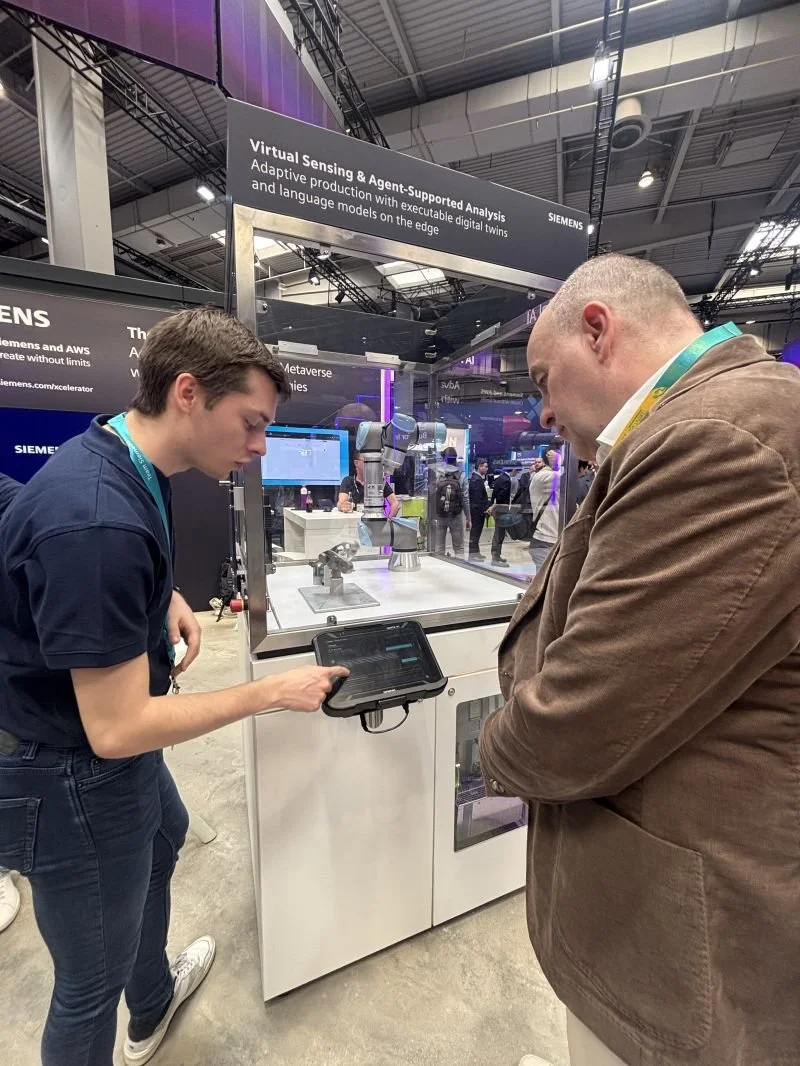
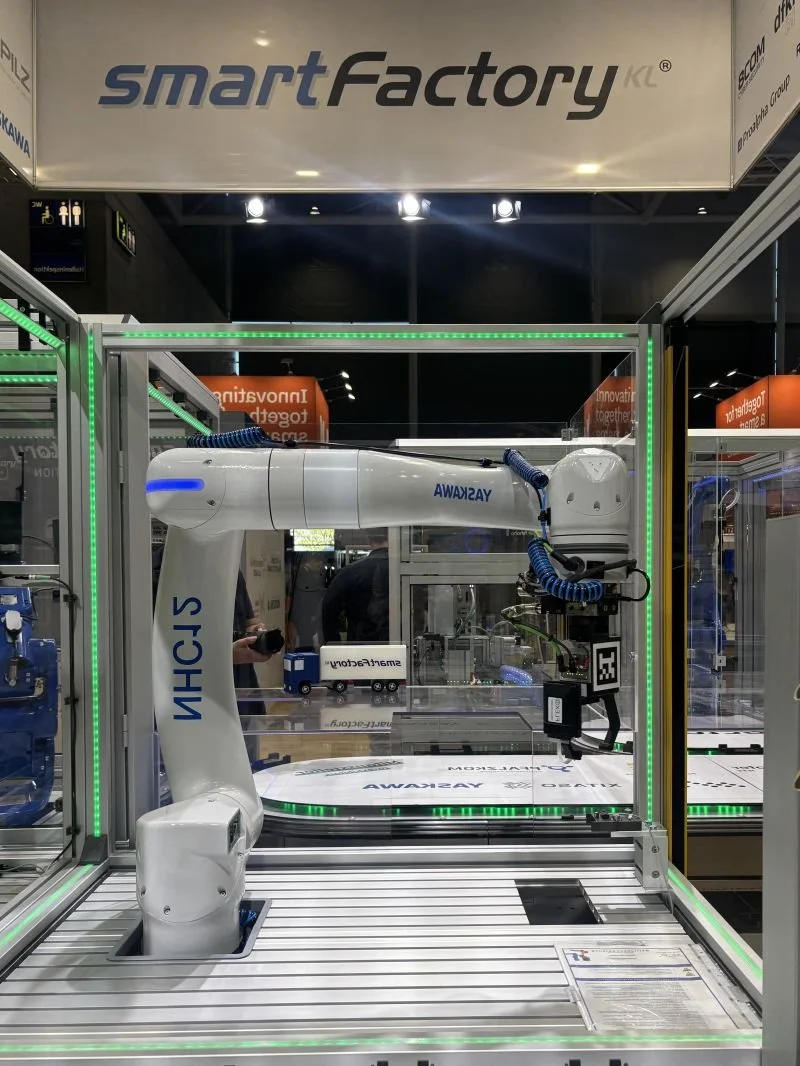
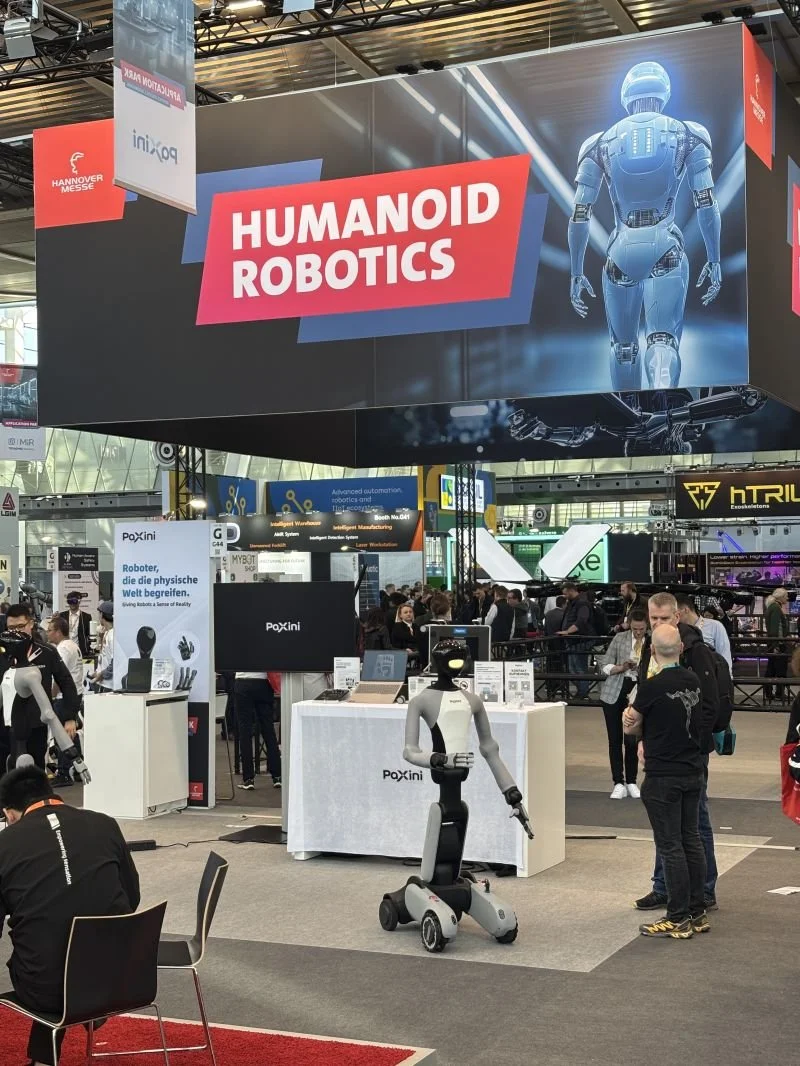
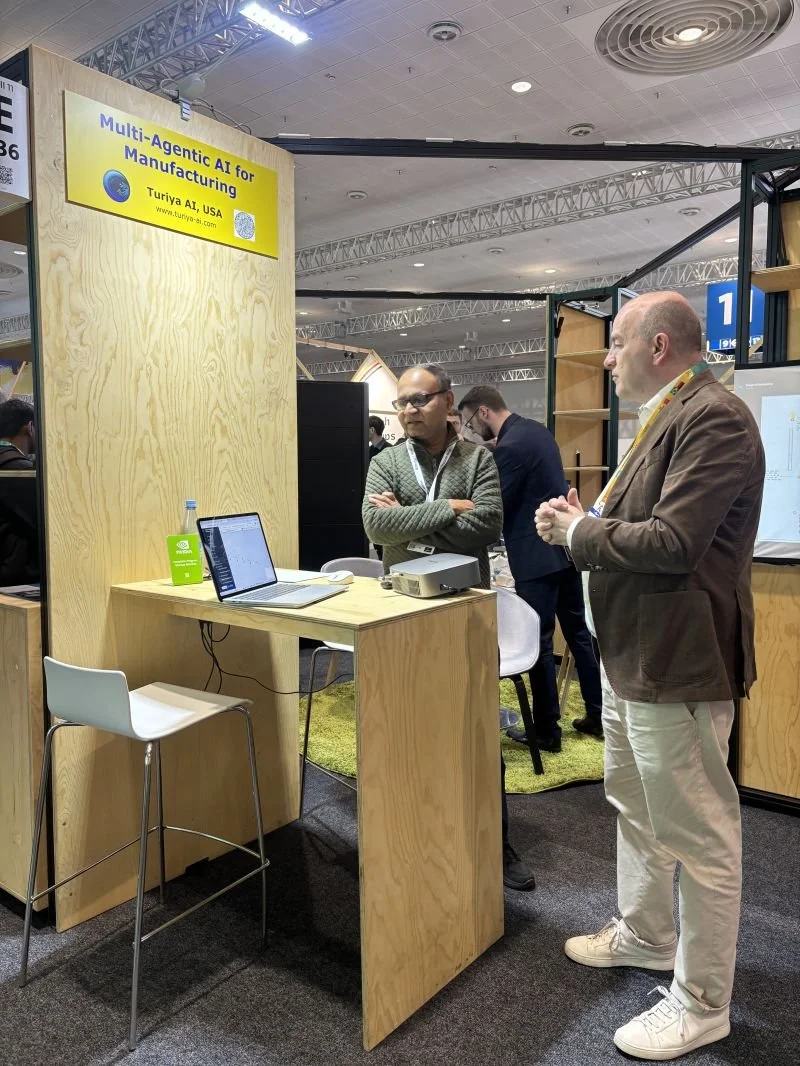
The conversation is therefore shifting.
For several years, much of the discussion around industrial AI focused on isolated tools, pilot projects and individual use cases. These experiments were important for understanding the possibilities of new technologies. However, Hannover Messe 2026 showed that many companies are now asking a different set of questions:
How can individual solutions be connected? How can they be integrated into existing processes and technology landscapes? How can companies move from successful pilots to scalable operating models? And how can data, people and technology work together across an entire organization?
This shift from experimentation to integration is significant. Creating value with AI in an industrial environment requires much more than selecting the right model or launching another isolated use case. It requires access to reliable data, clearly defined processes, suitable infrastructure, and a realistic understanding of how new solutions will be operated and scaled.
It also requires collaboration across traditional boundaries. Technology teams, operations, business units and external partners must work together to build solutions that are not only technically impressive, but also reliable, secure and relevant to daily operations.
Our key takeaway from Hannover Messe 2026 is therefore clear: the future of industrial AI will not be decided by models alone.
It will be shaped by how effectively companies connect technologies, data, processes, and people. And most importantly, by their ability to translate innovation into integrated systems that deliver measurable value.
The technologies are increasingly available. The next challenge is to orchestrate them.
