
Book available online soon.
// Updates to follow. //
Book available online soon. // Updates to follow. //
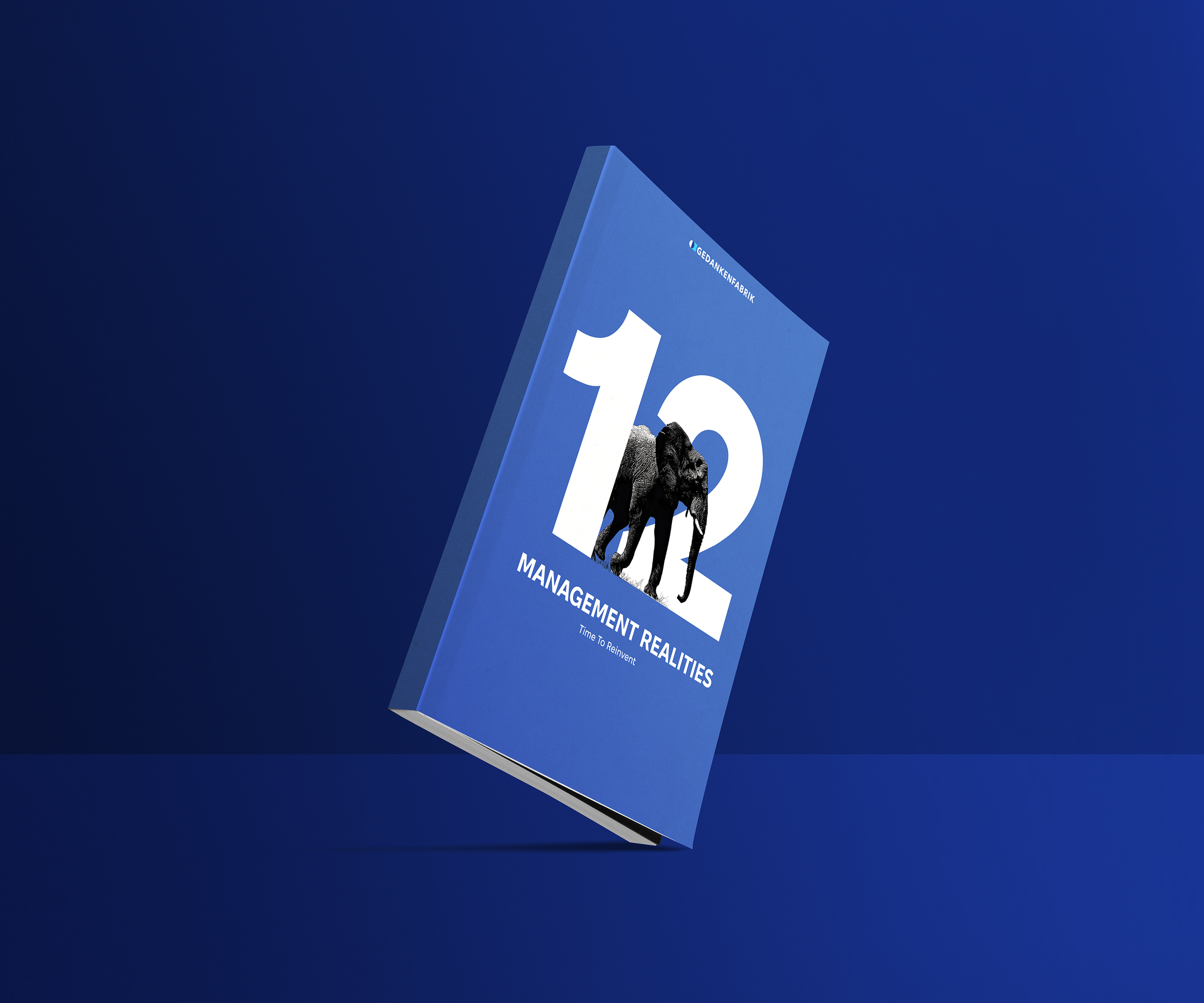
Our new book
Management is changing faster than most organizations can keep up with, let alone put into words. New technologies, new expectations, new complexity: they are already reshaping how work gets done. What is missing is a shared language to name them.
That is what "12 Management Realities" sets out to give. We call them our twelve elephants: the realities everyone in the room already senses, but few say out loud. Published in its first print edition in June 2026, the book gives each one a name, shows how the twelve connect, and turns a landscape that can feel fragmented and overwhelming into something leaders can finally see clearly, talk about, and act on.
Below is a short summary of each Reality.
Elephant 1
DIY Rocks and Rolls
For decades, building software meant waiting in line behind the IT department. That line is gone. AI-powered no-code and low-code tools now let the people who actually do the work build their own apps, automations and workflows, with no engineering degree required. The distance between having an idea and shipping a tool has collapsed. By 2030, much of the technology a business runs on will be assembled, not coded, by the teams using it. The result: faster solutions, fewer bottlenecks, and a workforce that stops asking for tools and starts building them. DIY isn't a workaround anymore. It's the operating model.
Elephant 2
Everything + AI
AI is no longer a separate tool you open in a new tab. It's becoming a layer inside everything you already use: your inbox, your spreadsheets, your design software, your customer database. Add "+ AI" to any task and the task itself changes. Steps collapse, rules get rewritten, what took an afternoon takes a minute. Within five years there won't be "AI apps" and "normal apps." Every digital application you touch will simply have intelligence built in. The question stops being whether to adopt AI. It becomes what your work looks like once AI is everywhere. Everything + AI.
Elephant 3
EDM – The New Phenomenon
Your customers have changed. They arrive already informed, having compared, researched and stress-tested their options long before they ever talk to you. We call them EDMs: Educated Decision-Makers. Armed with AI assistants, reviews and instant access to information, they're no longer passive buyers to be persuaded. They're active, capable partners who often know your product as well as you do. This rewrites the rules of marketing, sales and product design: you can't talk down to someone who's done the homework. The old funnel assumed an uninformed audience. That audience is gone. Meet the customer who already knows.

Elephant 4
Global Perspectives on AI: Lessons from China and Beyond
There is no single global version of AI. The same technology behaves very differently depending on where you stand, shaped by regulation, culture, platform ecosystems and national strategy. China offers the clearest example: a tightly integrated, "always new" model of innovation that looks nothing like the Western approach, and often moves faster. For leaders, this matters. Assuming the world will converge on one set of AI rules, tools and norms is a mistake. It won't. Competing successfully means understanding these parallel models, not just the one in your own backyard. The future of AI is multi-polar, not uniform.
Elephant 5
Workflow Engineer
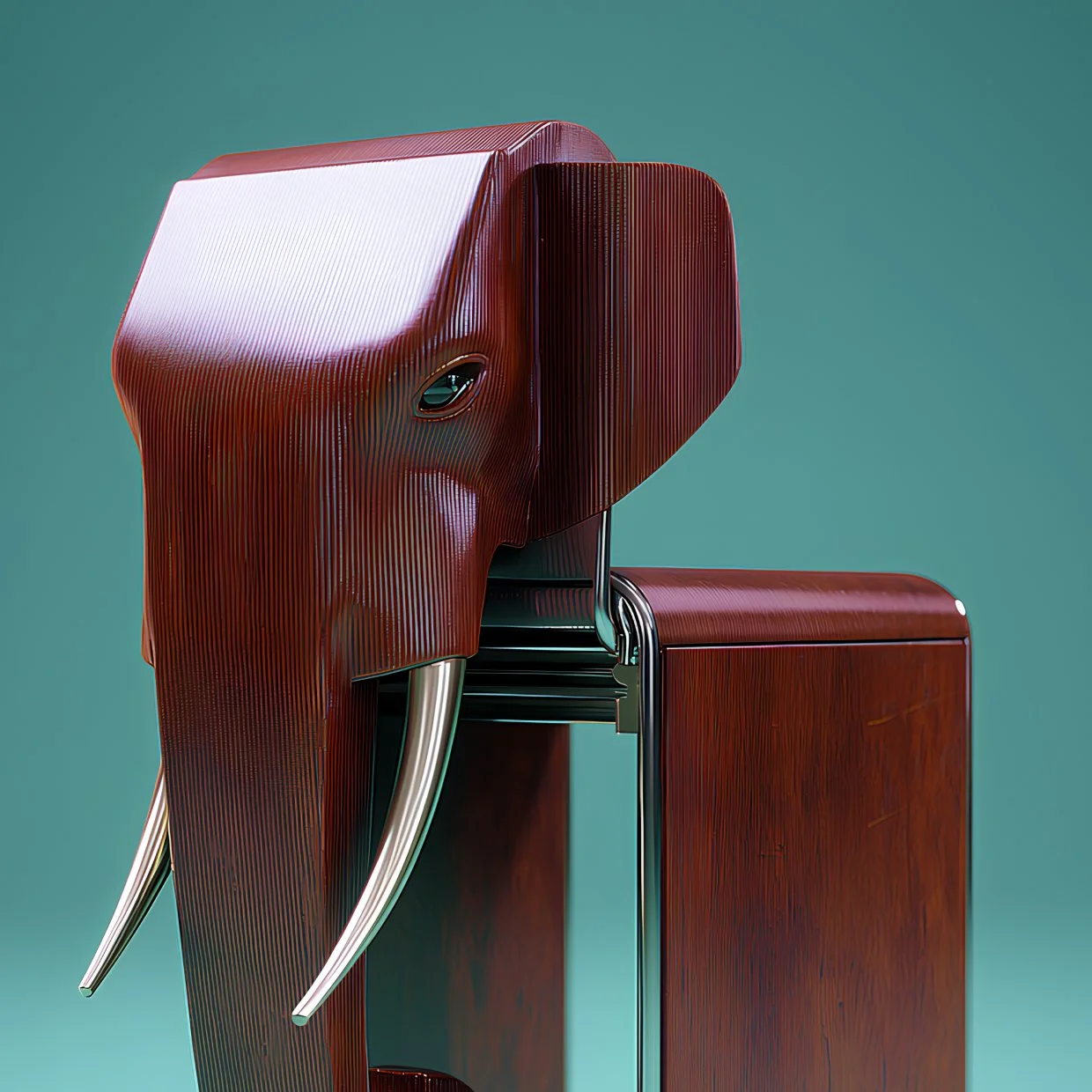
A new role is quietly becoming essential. The Workflow Engineer is the person who designs how humans and AI work together: mapping tasks, connecting tools, and automating the busywork so people can focus on judgment. Think of them as the architect of how work actually gets done in an AI-driven organization. The job barely existed a few years ago. Now it's climbing job boards fast. By 2030, Workflow Engineers will be as common and as central as Product Owners are today. Every organization serious about automation will need them. The work isn't going away, but who designs it is changing.
Elephant 6
Red Tape to Green Tape
Every organization knows red tape: the approvals, sign-offs and rigid procedures that slow everything down. For years it felt like a permanent cost of being big. AI changes that. Routine approvals get automated, rigid processes become flexible workflows, and the rules that once blocked work start to enable it instead. We call this the shift from red tape to green tape: bureaucracy that speeds you up rather than holds you back. The goal isn't to delete process; structure still matters. It's to make process intelligent, adaptive and fast. The friction that defined large organizations no longer has to define them.

Elephant 7
The AI Manager Dilemma
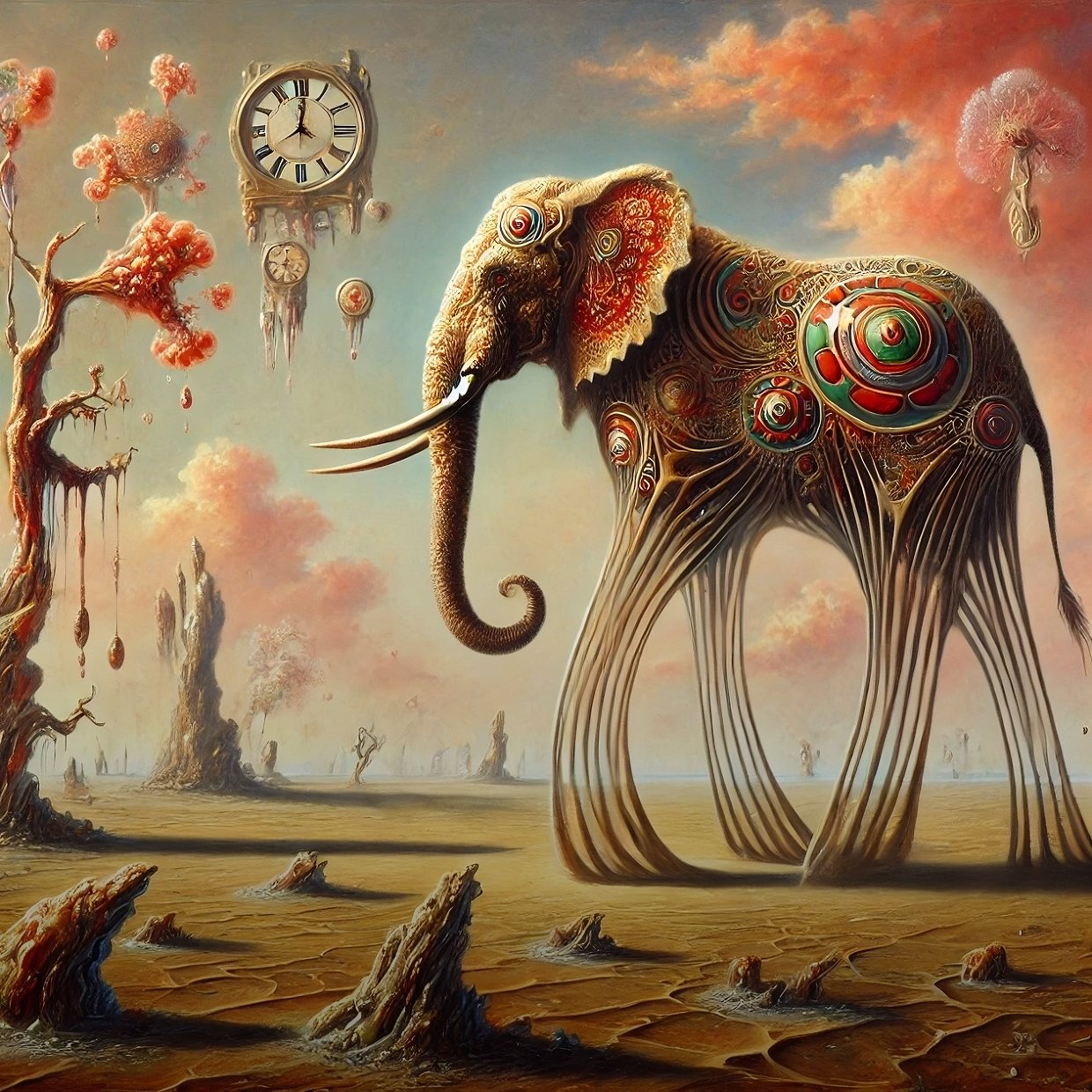
Managers are being pulled in three directions at once. From above: pressure to adopt AI and show results. From below: teams who need to be led, reassured and developed as machines take over tasks. From the side: stakeholders demanding alignment while the ground keeps shifting. We call it the AI Manager Dilemma: a "sandwich position" where the old certainties of management are melting away. Do you automate or protect jobs? Move fast or build trust? There's no clean answer, and pretending otherwise helps no one. The manager's role isn't disappearing. But it's becoming one of the hardest jobs in the organization.
Elephant 8
OKRs on Steroids
OKRs, the Objectives and Key Results most companies use to set goals, have always had a weakness: you set them, then watch them go stale until the next quarterly review. AI removes that lag. Connected to real-time data and predictive analytics, goals become living systems that adjust as conditions change, flag risks early, and show you what's actually achievable instead of what looked good in a planning meeting. Targets stop being static numbers on a slide and become an engine that recalibrates continuously. Same framework, radically more powerful. This is goal-setting that keeps pace with a business that never stops moving.

Elephant 9
Agents Everywhere
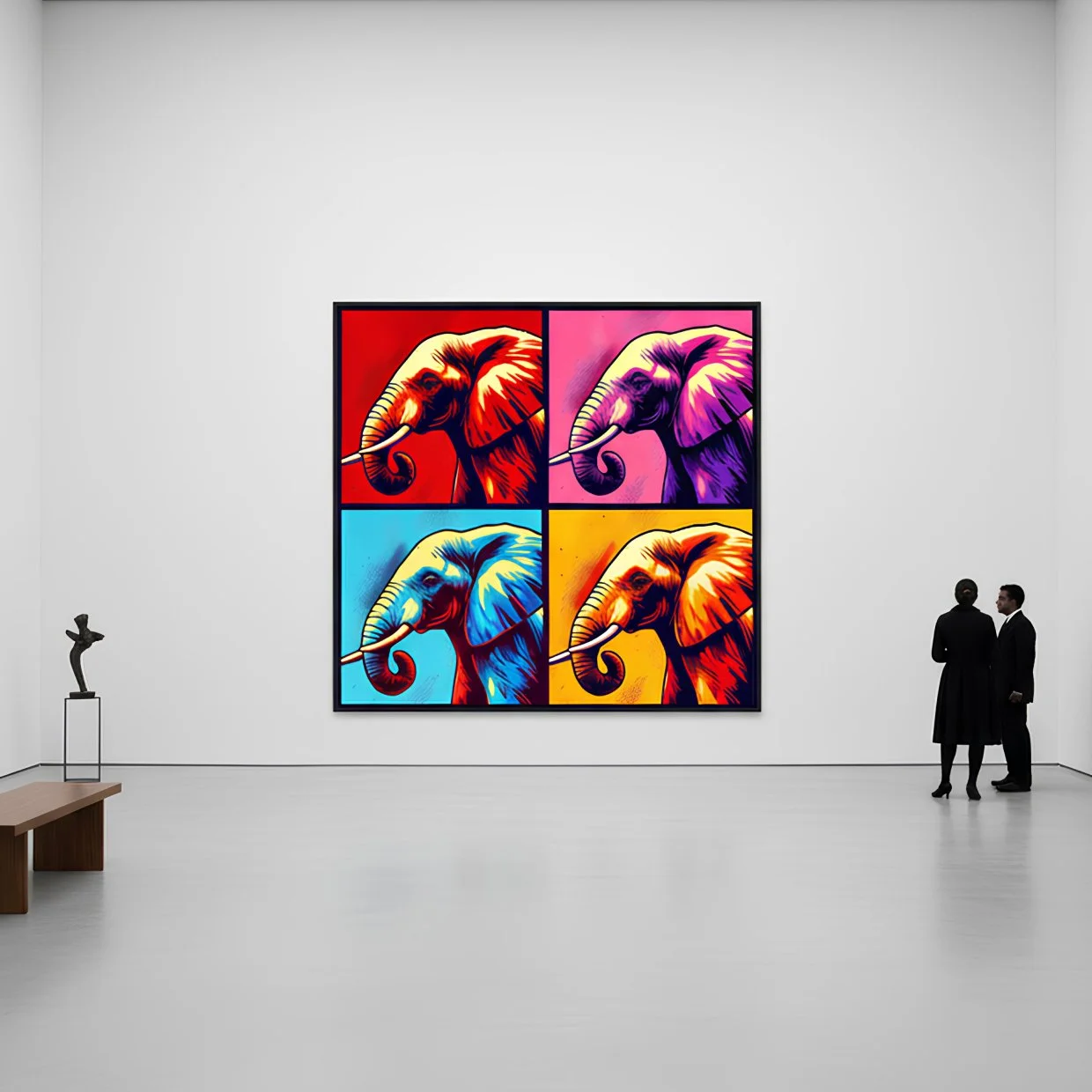
The next wave of AI doesn't wait for your prompts. Autonomous agents (software that can plan, decide and act on your behalf) are moving into every corner of work. They book the meeting, chase the invoice, run the analysis and hand you the result. By 2030 they won't be a novelty; they'll be everywhere, working alongside (and sometimes instead of) human teams. Microsoft alone forecasts 1.3 billion agents in active use. This isn't a gradual upgrade. It's an explosion in how work gets done. The real question for leaders: what happens when your most numerous colleagues aren't human?
Elephant 10
4-Hour Day
What if the eight-hour day is simply obsolete? As machines take over execution (the repetitive, the routine, the grind), the most valuable thing humans do shrinks into a few hours of genuine judgment, creativity and connection. By 2030, much of the day's "real work" may concentrate into three or four high-value hours, with software handling the rest. This dismantles a deep assumption: that hours worked equals value created. The cult of endurance, busyness as a badge of honor, starts to look outdated. The 4-Hour Day isn't about doing less. It's about spending human time only where it counts.

Elephant 11
Virtual Customer
Imagine your customer sitting in every meeting. Not occasionally, in a focus group twice a year, but always: an AI-driven model of who you serve, trained on real behavior and ready to react to any idea in real time. We call it the Virtual Customer: a digital stand-in that becomes a permanent team-mate, weighing in on products, pricing and decisions as you make them. Instead of guessing what people want and finding out months later, you get a continuous feedback loop built into how you work. By 2030, the customer stops being someone you research and becomes someone you build alongside.
Elephant 12
Smart Office Factory
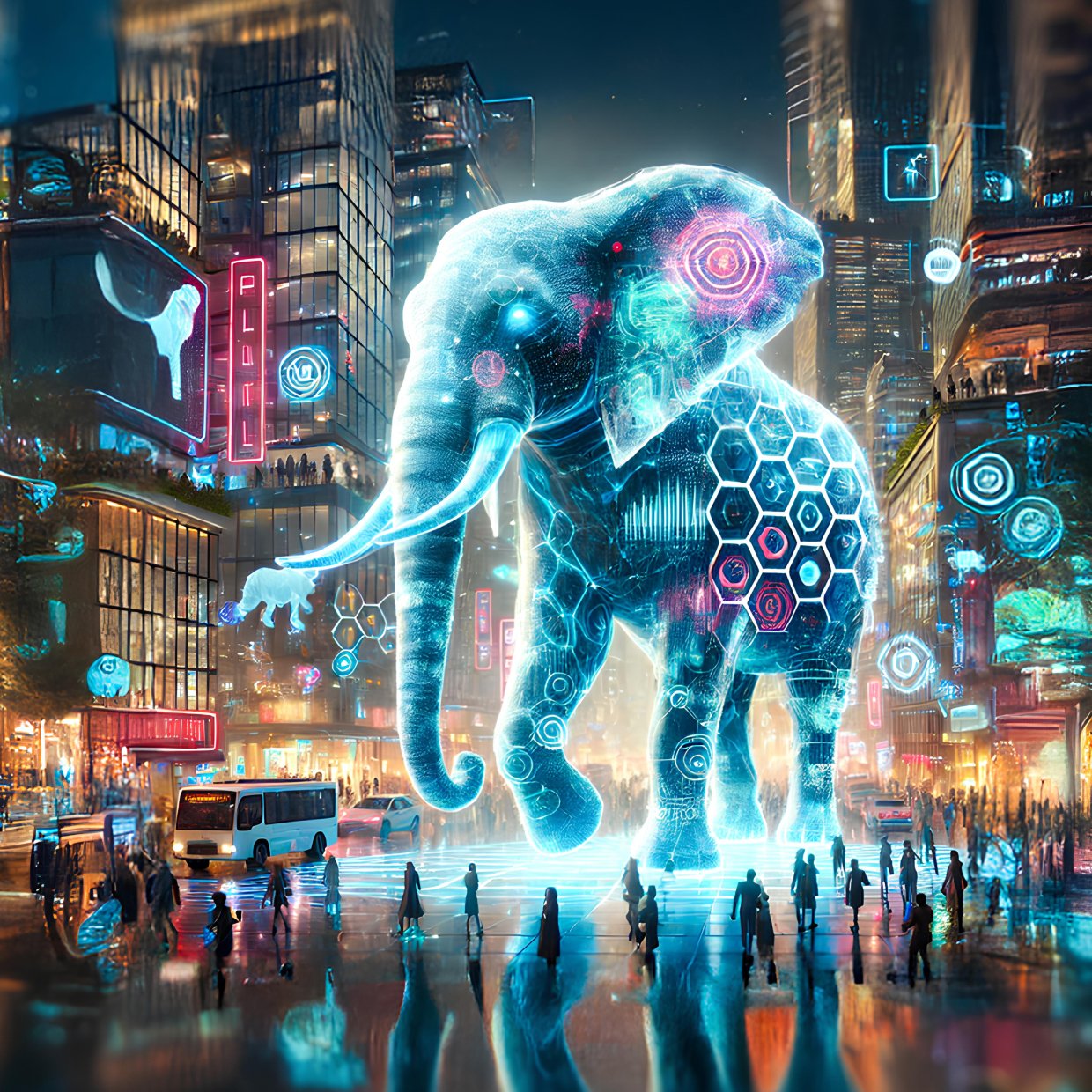
Factories solved a problem offices never did: how to make work measurable, repeatable and constantly improving. The Smart Office Factory brings those hard-won lessons indoors. Digital twins, real-time data and continuous-improvement thinking (long standard on the shop floor) move into knowledge work. Systems handle execution with factory-like precision; humans steer with judgment and creativity. The point isn't to turn the office into an assembly line. It's to give knowledge work the visibility and rhythm that manufacturing has had for a century. The result is a quiet partnership between people and machines, each doing what it does best.

Reserve your free copy now
We’re giving away the first 50 copies of our 12 Elephants book at no cost. Simply leave your address and we’ll send you a free copy as soon as it’s printed - first come, first served. Once they’re gone, they’re gone.